Person standing with a suitcase in an outdoor urban setting, ready for a quick adventure or trip.

How to Turn an Obligatory Trip Into a Bite-Sized Adventure

Not every trip begins with an excited countdown and a suitcase packed three weeks in advance. Sometimes, you travel because you have to.

A work conference. A family wedding. A graduation. A reunion. A professional meeting. A milestone celebration.

You may not have chosen the destination, the dates, or even the reason you’re going. You simply found yourself adding a trip to the calendar because, well… obligation.

And let’s be honest: these trips can sometimes feel more like logistics than travel. Get there. Attend the event. See the people you’re supposed to see. Eat whatever is convenient. Get home.

But what if you looked at it differently?

Instead of thinking, I’m stuck going there, try asking, “What little adventure can I find while I’m there?”

You don’t need to turn a three-day conference into a two-week vacation. You don’t need a color-coded itinerary or a list of 37 attractions to conquer.

Sometimes a good meal, a quiet walk, a local market, or a few hours exploring somewhere unfamiliar is enough.

That’s the beauty of a bite-sized adventure.

You take the trip you have to take and find a little piece of it that belongs entirely to you.

Let’s Dig In.


Disclaimer

This post contains affiliate links to the products that I use and trust. This means that I might receive a small commission (at no extra cost to you) if you make a purchase using any of my links below. See full disclosure here.


Start by Claiming Some Time for Yourself

If you’re traveling for an obligation, look at your schedule.

Is there a morning before the event begins? An afternoon afterward? An extra evening? Could you arrive a day early or stay an additional night?

Even a few hours can make a difference.

Let’s say you’re attending a wedding Saturday. Instead of arriving Friday night and leaving Sunday morning, could you stay until Monday?

Or perhaps you’re traveling for a conference that ends Wednesday. Could you stay through Thursday and give yourself one day to explore?

That extra day doesn’t have to be packed with activities.

In fact, I’d recommend the opposite.

Give yourself some unstructured time. Sleep in. Find a café. Wander through a neighborhood. Sit in a park. Browse a bookstore. Take yourself to lunch.

The goal isn’t to see everything. It’s to have some time when nobody else gets to decide what you do.

Traveling Without Burning Yourself Out

If you’re an introvert or simply someone who needs quiet time to recharge, don’t make the mistake of turning your free time into another appointment.

You don’t have to fill every available hour just because you’re in a new place.

Maybe your perfect adventure is a museum followed by coffee. Maybe it’s an hour walking around town and then heading back to your hotel with a book.

Travel should give you something, not leave you completely depleted.

If you need ideas for creating a trip that gives you room to explore and recharge, take a look at my guide to Travel for Introverts: How to See the World Without Burning Out.


Find Somewhere Quiet to Unplug

After spending hours at meetings, networking events, family gatherings, or other obligations, sometimes the last thing you want is another activity.

You want quiet.

Look for somewhere that lets you slow down: a local spa, sauna, hot spring, botanical garden, peaceful café, waterfront, or even a library.

You don’t have to spend a fortune.

A quiet coffee shop and people watching or a good book can provide plenty of decompression.

If you do have the time and budget, a local spa can turn an ordinary work trip into something that feels decidedly more like a vacation. Look for independent spas, bathhouses, hot springs, or wellness centers that offer day passes.

And don’t underestimate the power of simply sitting somewhere beautiful.

Put your phone away for a little while.

Take a breath.

Watch the world go by.

Quiet time isn’t wasted travel time.

Jenkins Arboretum & Garden

Go Find Some Green Space

Whenever I’m somewhere new, one of the first things I want to know is:

Where can I go for a good walk?

It doesn’t have to be a challenging hike. A city park, waterfront path, botanical garden, nature preserve, or easy trail can give you a completely different perspective on a destination.

Search for:

  • City and neighborhood parks
  • State parks
  • National parks and monuments
  • National forests
  • National wildlife refuges
  • Botanical gardens
  • Waterfront trails
  • Rail trails
  • Bike paths
  • Local nature preserves

And don’t automatically choose the most famous place.

Sometimes the little park ten minutes from your hotel is exactly what you need.

If you want a longer outing, look for a nearby trail or scenic drive. If walking isn’t your thing, rent a bike and explore on two wheels.

The important thing is to get outside and experience the destination at a slower pace. Use AllTrails to find what is in the area.

Explore Gently

While you’re enjoying the outdoors, remember that you’re visiting a place that belongs to more than just travelers.

Stay on designated trails. Follow park rules. Don’t disturb wildlife. Pack out what you bring in. Avoid single-use items when practical. And consider supporting locally owned businesses along the way.

Being an eco-conscious traveler doesn’t mean you have to make your trip complicated. Small choices add up.

For more ideas, read 10 Ways to Be an Eco-Conscious Traveler.


See What’s Happening Locally

Here’s one of my favorite ways to make a destination feel less like somewhere you’re temporarily stuck and more like somewhere people actually live:

Find out what’s happening while you’re there.

Check the destination’s tourism website, local event calendars, farmers markets, museums, libraries, community centers, and neighborhood organizations.

You might discover:

  • A farmers market
  • An art walk
  • A food festival
  • A street fair
  • A craft market
  • A local concert
  • An outdoor movie
  • A cultural celebration
  • A gallery opening
  • A seasonal festival

And naturally, if there’s a food festival involved, I’m going to investigate.

Because discovering a town through its food is one of my favorite ways to get to know a place.

If nothing is happening in the town where you’re staying, expand your search to nearby communities.

A small-town festival 30 minutes away could end up being one of the best memories of the trip.

Festivals, Art & Events That Define Manayunk

Give Yourself an Evening Out

Maybe your obligation ends at 4 p.m.

Instead of heading straight back to the hotel, see what’s happening that evening.

Is there a theater performance? A concert? Live music? A comedy show? An independent movie? A local dance performance?

Check the websites of local theaters and performing arts organizations. Search for smaller venues, too. Some of the most memorable evenings happen in places that aren’t on the typical tourist itinerary.

And if you’re traveling alone, there’s a bonus:

You don’t have to negotiate.

You want to see the show?

Go.

You’d rather hear live music?

Perfect.

You changed your mind and want to go back to your hotel?

Also perfect.


Give Yourself Somewhere Nice to Retreat To

If you’re visiting family, you may normally stay at someone’s house.

And sometimes that’s wonderful.

But sometimes having your own room and your own door is worth every penny.

Consider booking a small hotel, inn, bed-and-breakfast, or locally owned property nearby.

You don’t necessarily need luxury. What you’re really buying is space and quiet.

After spending the day surrounded by people, it can be wonderful to return to your room, put on comfortable clothes, order dinner, and spend an hour doing absolutely nothing.

And locally owned accommodations can add another layer to the adventure.

Ask the person at the front desk or the owner:

“If you had one free afternoon here, where would you go that’s off the tourist trail?”

That question may produce a better recommendation than any generic tourist guide.

Where to Stay in the San Bernardino Mountains

Eat Somewhere New

Now for the important part.

What are you going to eat?

Even if you’re visiting a place for an obligation, you still have to eat. So why not make at least one meal part of the adventure?

Research restaurants, cafés, bakeries, food trucks, farmers’ markets, and other local food spots before you arrive.

Look for something you’ve never tried.

A restaurant that’s been around for generations can be just as interesting as the newest trendy spot. And if you’re visiting a place you’ve been to before, search for what’s new.

Restaurants open. Menus change. Neighborhoods evolve.

Your old favorite may still be wonderful—but there could be something new waiting around the corner. (pun intended)

Eating Alone Doesn’t Mean Eating Boring

If you’re traveling alone, don’t let the thought of dining by yourself keep you from trying somewhere interesting.

Start with lunch if dinner feels intimidating. Grab a seat at the counter. Choose a café with outdoor seating. Bring a book. Sit at the bar of a restaurant where appropriate.

Or simply remind yourself that everyone else is far more interested in their own meal than they are in watching you eat yours.

And if you’re still building confidence around dining solo, I’ve got you covered with 3 New Tips for Eating Solo as a Female Traveler.

Because a good meal is still a good meal even when there’s only one chair at the table.

The Ultimate Foodie Guide: Best Places to Eat in Philadelphia

Take Yourself on a Tour

Who says tours are only for tourists?

You can be visiting a place for the tenth time and still discover something new through a walking tour, food tour, historical tour, architecture tour, museum tour, mural walk, or even one of those wonderfully strange niche tours.

In fact, if you have only a few hours, a tour can be one of the easiest ways to explore.

Someone else handles the logistics.

You simply show up, listen, look around, and enjoy.

For solo travelers, guided experiences can also be a comfortable way to explore somewhere unfamiliar while still having a little structure.

And if you’re nervous about doing things alone, start small.

A museum tour.

A walking tour.

A food tour.

Each little experience builds confidence.

You may discover that doing something alone isn’t nearly as intimidating once you’re actually doing it.

For more ideas on getting comfortable with solo adventures, read Traveling Alone: How to Build Confidence and Enjoy Solo Adventures.


Take a Bite-Sized Day Trip

If your obligation is in a city that you’ve already explored or simply isn’t capturing your imagination, look beyond it.

What’s within an hour or two?

Maybe there’s a historic town nearby.

A scenic highway.

A waterfall.

A winery or farm.

A quirky roadside attraction.

A beautiful lake.

A mountain community.

A coastal village.

A state park.

You don’t need to go far.

The simple act of getting in a car or hopping on a train can change the feeling of the entire trip.

Suddenly, you’re not thinking about the conference anymore.

You’re on a little adventure.

And that’s exactly what we’re after.

A Few Ideas to Get You Thinking

Visiting a major city? Look for smaller towns, neighborhoods, or nature areas just outside the city.

In wine country? Skip the busiest tasting room and seek out a smaller producer.

Near the coast? Find a beach town you’ve never explored.

In the mountains? Take a scenic drive or find a nearby trail.

Visiting somewhere you’ve been before? Choose a nearby place you’ve never had a reason to visit.

The destination doesn’t have to be famous.

It just has to make you curious.


Be a Thoughtful Traveler

There’s one more thing I want to remember when turning an obligation trip into an adventure:

You’re still a guest.

It’s easy to get caught up in what we want to see and do. But the places we’re visiting are home to other people.

Be respectful of neighborhoods. Keep noise down. Follow local rules. Respect cultural customs. Ask before photographing people. Don’t wander into places that aren’t open to the public. Support local businesses when you can.

And when you’re exploring natural spaces, leave them as you found them.

Being curious about a destination and being considerate of the people who live there should go hand in hand.

For more thoughts on traveling with a little extra courtesy, read Be a Thoughtful Traveler: Why Courtesy Matters Wherever You Go.

Because the best traveler isn’t simply the person who sees the most.

It’s the person who notices, learns, and leaves a place with respect.

Exploring Annapolis' Hidden Historical Sites
Exploring Annapolis’ Hidden Historical Sites

You Don’t Have to Vacation Your Way Through an Obligation Trip

Here’s the trap I want you to avoid:

Trying to turn every obligation trip into a full-blown vacation.

You don’t need to squeeze ten attractions into your only free afternoon.

You don’t need to wake up at 5 a.m. for a sunrise hike, attend a conference all day, go to a concert that night, and then wake up early for a food tour.

That’s not a vacation.

That’s another job.

Instead, choose one or two things that are yours.

Maybe it’s breakfast at a new café.

Maybe it’s an hour-long walk.

Maybe it’s a farmers market.

Maybe it’s a museum.

Maybe it’s a concert.

Maybe it’s an afternoon drive to a nearby town.

Or maybe it’s ordering takeout, putting your feet up, and watching the sunset from your hotel window.

That counts, too.


Your Next Obligation Might Hide a Little Adventure

The next time an invitation, conference, family event, or other obligation sends you somewhere, don’t immediately start thinking about how quickly you can get home.

Instead, ask yourself:

What can I discover while I’m here?

You might find a restaurant you never would have tried.

A trail you didn’t know existed.

A tiny museum.

A charming café.

A local festival.

A beautiful neighborhood.

A great bookstore.

Or simply a quiet corner where you can sit for a while and enjoy being somewhere different.

You don’t need a week.

You don’t need a travel companion.

You don’t need a perfect itinerary.

Sometimes all you need is a few free hours, a little curiosity, and permission to make part of the trip your own.

Because even when life sends you somewhere for a reason, you can still find a reason to explore.

That’s a bite-sized adventure.

Stay curious, stay hungry, and keep exploring!

–Beth

A Little Inspiration From My Grandfather

This post is dedicated to my grandfather, who had his own version of an “obligation trip” long before I had a name for it.

My grandparents lived in Florida. I grew up in the house that my grandparents once owned. Every summer, my grandfather would make his obligatory visit north for our annual family reunion. He would stay for two weeks to visit family, escaping the Florida summer heat and visiting places and people he knew in the area.

And if we were lucky, he’d take his grandchildren along for the ride. I was one of those lucky kids.

What I remember most is that his visit wasn’t just about the family reunion. His time with us became an opportunity to get out and explore. We’d visit places he knew, see people he wanted to catch up with, and make little adventures out of the time between family gatherings.

Looking back, I realize he was teaching me something I still believe today: just because you have a reason to be somewhere doesn’t mean that has to be the only reason you go.

His obligatory summer visit gave me the chance to see places I might not have otherwise visited. It turned family obligations into afternoons of exploring, unexpected stops, and memories I still carry with me.

So perhaps that’s where my love of finding the adventure in an obligation began with my grandfather, a summer family reunion, and a little extra time to explore.
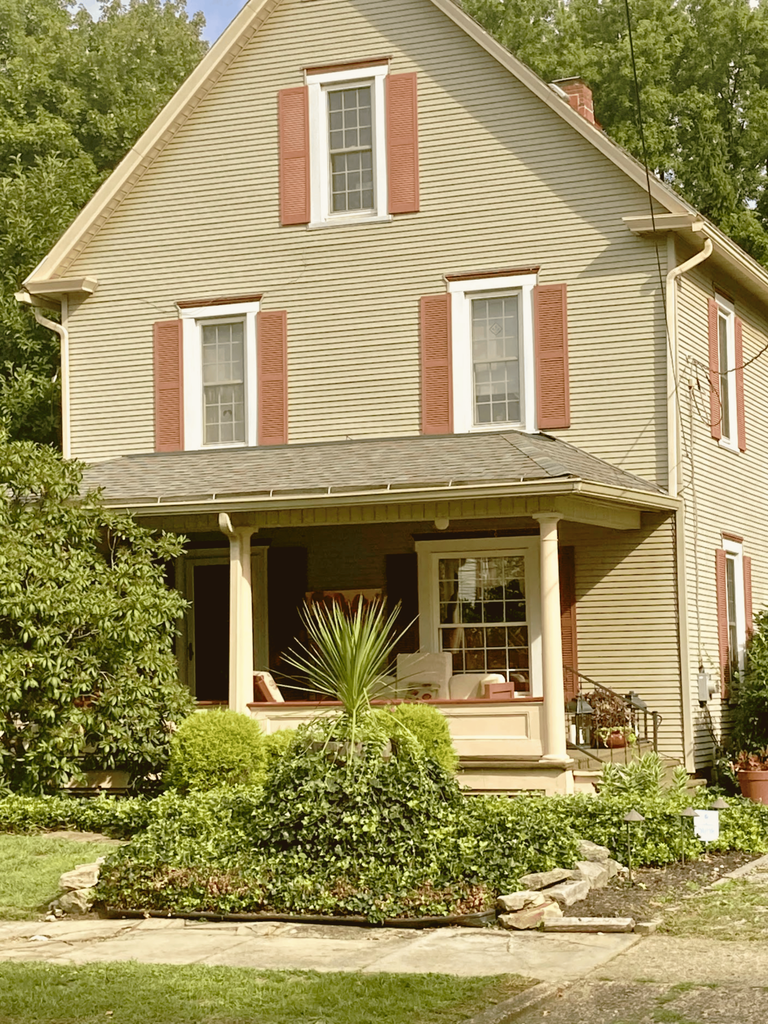
The home where my grandfather’s “obligation trips” became some of my earliest adventures.
Close-up of a mature person's hand gripping a car steering wheel during a road trip, with a scenic view outside the window.

Midlife Travel: Why Your 40s and 50s Might Be the Perfect Time for Adventure

Have you ever reached a certain age and looked around at your life and thought, “Is this really what I thought I’d be doing by now?” Maybe your career didn’t turn out exactly as planned, your kids are growing up, your priorities have shifted, or you simply woke up one morning and realized you’ve spent years taking care of everyone else. If that sounds familiar, you’re not alone. And maybe what you’re feeling isn’t a midlife crisis at all. Maybe it’s a little voice reminding you that there is still a whole lot of life left to explore. 

Let’s Dig In.


Disclaimer

This post contains affiliate links to the products that I use and trust. This means that I might receive a small commission (at no extra cost to you) if you make a purchase using any of my links below. See full disclosure here.


The Mysterious Midlife Happiness Dip

There’s an interesting idea in happiness research that has gotten quite a bit of attention: happiness and well-being can follow a broad U-shaped pattern over the course of adulthood. In other words, many people experience a dip somewhere around midlife before things begin to improve again later.

That doesn’t mean everyone wakes up on their 47th birthday wondering where their happiness went. Life, thankfully, isn’t quite that organized.

Researchers have looked at well-being across countries and found patterns suggesting that midlife can be a particularly challenging period. Work responsibilities, family obligations, financial pressures, changing priorities, and the realization that time doesn’t stretch quite as endlessly as it once seemed can all play a role.

Want to dig deeper into the research? Read the NBER research paper, “Unhappiness and Age.”

Note: The research looks at broad patterns in well-being across populations, so it doesn’t mean everyone experiences a happiness low point at exactly the same age.

Things to Do in Port Orford, Oregon: Art, Ocean Views & Coastal Gems
Sometimes a change in scenery is exactly what you need to see your life from a different perspective.

When Your Life Doesn’t Look Like the Plan

When we’re younger, it’s easy to imagine that life will unfold in a neat little sequence.

Graduate. Get the career. Buy the house. Build the family. Reach the next rung on the career ladder.

Then somewhere around midlife, you may realize that the plan has changed.

Maybe the career you worked so hard for isn’t as fulfilling as you expected.

Maybe the dream job never happened.

Maybe your children are becoming independent, and the house suddenly feels much quieter. 

Or you had no children.

Maybe you’re caring for aging parents while still trying to keep up with everything else.

Or maybe nothing is particularly wrong. You’re just ready for something different.

That last one is important.

You don’t have to be unhappy with your life to want more from it.

You can appreciate everything you’ve built and still wonder what else is waiting around the corner.

Sometimes having more space in your life gives you room to discover what you actually want.

Remember All Those Things You Said You’d Do Someday?

This is where I think bite-sized adventures really shine.

Maybe you can’t take three weeks off for an international trip. But can you take a Saturday and explore a nearby town? Could you plan a two-night getaway? Could you take yourself to lunch somewhere new and spend the afternoon wandering around?

Absolutely.

And if you’re ready to start planning a bigger road trip, my guide to The Best Road Trip Planner Apps to Map Your Next Adventure can help you turn that “we should really go there someday” idea into an actual route.

Because there is a surprisingly large difference between “I’d love to visit that place” and “I’ve mapped the route and booked the hotel.”

The second one tends to involve considerably more adventures.

A good road trip starts with a destination—and a little curiosity about what you’ll find along the way.

Travel Gives You Permission to Be Curious Again

One of the things I love most about travel is how quickly it can pull you out of autopilot.

At home, we know where we’re going.

We know which grocery store has the best prices..

We know which route takes seven minutes longer but avoids traffic.

We know where the coffee is.

Travel changes all of that.

Suddenly you’re paying attention.

You notice architecture.

You notice how people greet each other.

You wonder what that smell coming from the bakery is.

You see a little shop and want to know what’s inside.

You try something you’ve never eaten before.

You might even get gloriously lost.

Okay, perhaps gloriously depends on whether your phone has a signal.

But that’s part of the fun.

Travel reminds us that we don’t have to know everything. We can simply be curious.

Travel has a funny way of turning ordinary moments into things you’ll remember.

Solo Travel Can Be Especially Liberating

Midlife can also be a wonderful time to explore solo.

For some women, traveling alone sounds intimidating at first. What if something goes wrong? What if I get lonely? What if I look awkward eating dinner by myself?

Here’s the secret: most people are far less interested in you than you think they are.

That solo dinner you’re worried everyone will notice? The couple at the next table is probably busy deciding whether to order dessert.

And the confidence that comes from successfully navigating a new place on your own can spill into other areas of your life.

If you’re considering your first solo adventure, my guide Traveling Alone: How to Build Confidence and Enjoy Solo Adventures is a great place to start.

You don’t have to begin with a weeklong international trip. Start small. Take yourself somewhere familiar but different. Spend a day exploring a nearby town. Then build from there.

Steaming cup of coffee with latte art in a cozy café setting, perfect for coffee lovers seeking relaxing, bite-sized adventures in a warm, inviting environment.
Solo doesn’t have to mean lonely. Sometimes it means you finally get to choose exactly where you’re going

Of Course, Our Bodies Have Opinions Now

Let’s talk about the elephant in the suitcase.

Getting older can be wonderful, but our bodies occasionally like to remind us that we’re not 25 anymore.

Travel can make that particularly obvious.

Long flights.

Jet lag.

Too much walking.

Not enough sleep.

Trying to remember where you put your glasses when they’re sitting on top of your head.

And for many women, perimenopause and menopause can add another layer to the experience.

Sleep can become unpredictable. Temperature suddenly becomes a personal negotiation. Your body may decide that 2:17 a.m. is an excellent time to wake you up for a trip to the bathroom.

Travel may require a little more planning than it once did.

Build in rest.

Drink water.

Wear comfortable shoes.

Don’t schedule every minute.

And permit yourself to slow down.

You don’t win a prize for seeing 14 attractions before lunch, and your body will thank you that you didn’t

Best Hotels and Airbnbs in Buffalo for Solo Female Travelers
The older I get, the more I appreciate an itinerary that includes time to sit down.

You Don’t Need a Huge Adventure

One of the biggest misconceptions about travel is that it has to be impressive.

It doesn’t.

A great adventure might be a day trip to a town you’ve never visited. It might be trying a new restaurant, visiting a museum, taking a scenic drive, or finding a hiking trail you’ve never explored.

And if spontaneity sounds appealing but you’re not quite ready to completely wing it, I’ve written about How I Plan Spontaneous Trips (Yes, Really).

Because there’s a difference between being spontaneous and being completely unprepared.

I like knowing where I’m sleeping and having a general idea of where I’m going. After that, I leave room for the unexpected.

That’s where some of the best travel memories tend to happen.

The best travel moments aren’t always the ones you planned.

Don’t Let Money Be the Reason You Never Go

Another common midlife travel obstacle is money.

Travel can certainly be expensive, but that doesn’t mean every adventure has to be.

Saving a little at a time, traveling during shoulder seasons, choosing nearby destinations, and planning shorter trips can make a difference.

If travel is something you’ve been putting off because you’re waiting until you have “enough money,” my post Saving for Travel: Tips to Make Your Adventures Happen can help you start turning that dream into a realistic goal.

You don’t have to fund your entire travel bucket list this month.

Start with one adventure.

Then another.

Before you know it, those small trips can add up to a pretty wonderful collection of memories.

Photo caption: A little planning today can turn “someday” into a date on the calendar.

Maybe It’s Not a Midlife Crisis After All

We joke about the midlife crisis.

The sports car.

The dramatic career change.

The sudden desire to take up an activity that requires expensive equipment and questionable amounts of Lycra.

But perhaps there’s another way to look at this stage of life.

Maybe the desire for change isn’t about running away from your life.

Maybe it’s about moving toward the life you actually want.

Toward curiosity.

Toward experiences.

Toward learning.

Toward creativity.

Toward travel.

Toward finally doing some of the things you’ve been putting off.

You don’t have to become a different person.

You may simply need to make more room for the person you’ve always been.

Explore McCloud Falls Restaurants & Activities: Your Ultimate Guide
Maybe you’re not having a midlife crisis. Maybe you’re finally ready for your next adventure.

Your Best Adventures May Still Be Ahead

Getting older doesn’t mean your adventures are behind you.

In many ways, it can mean the opposite.

You know yourself better.

You know what you enjoy.

You know what isn’t worth your time.

You’re hopefully a little less concerned about impressing people and a little more interested in enjoying your life.

That’s a pretty good place to begin.

You don’t have to be wealthy, famous, or extraordinarily successful to have an extraordinary life.

You can explore a new town.

Eat something you’ve never tried.

Strike up a conversation with someone interesting.

Learn something simply because you’re curious.

Take yourself somewhere beautiful.

Laugh until your stomach hurts.

Watch the sunrise.

Get a little lost.

And come home already wondering where you’ll go next.

Maybe the upward side of the happiness curve isn’t about finally having everything figured out.

Maybe it’s about realizing you don’t need to.

There is still so much to see.

So much to taste.

So much to learn.

So many roads to wander.

And so many bite-sized adventures waiting for you.

The best chapter of your story doesn’t have to be the one you’ve already written.

Let’s Dig In!

If you’re somewhere in the middle of life wondering whether you’ve missed your chance to travel, explore, or try something new, let me give you a little reminder:

You haven’t.

You don’t have to wait for retirement.

You don’t have to wait for your children to grow up.

You don’t have to wait for a travel companion.

And you definitely don’t have to wait until everything in your life is perfectly organized—because let’s be honest, when has that ever happened?

Start small.

Take the day trip.

Visit the town.

Try the food.

Book the weekend.

Take yourself somewhere you’ve always wanted to go.

Your adventure doesn’t have to change your entire life.

It just needs to make you feel a little more alive, curious, and connected to the world around you.

Because maybe midlife isn’t the beginning of the end.

Maybe it’s the beginning of finally realizing that your life belongs to you, too.

And that’s a pretty good reason to pack a bag.

Stay curious, stay hungry, and keep exploring!


–Beth
A woman walking down a quiet, sunlit city street with colorful buildings on either side, capturing the essence of slow travel and urban exploration.

Stop Rushing Your Vacation: How Slow Travel Helps You Experience More

Have you ever returned from vacation feeling like you need another vacation?

You visited the landmarks, checked off the restaurants, took the photos, and followed the itinerary you carefully planned. On paper, it was a fantastic trip. But somewhere between rushing from one attraction to the next and trying to squeeze just one more thing into the day, you realized you weren’t actually experiencing the place.

You were keeping up with your schedule.

Let’s Dig In to why slowing down might actually help you experience more, not less, on your next adventure.


Disclaimer:

Note: This post contains affiliate links to the products that I use and trust. This means that I might receive a small commission (at no extra cost to you) if you make a purchase using any of my links below. See full disclosure here


What Is Slow Travel?

Slow travel isn’t about traveling slowly in the literal sense. It’s about being more intentional with your time.

Instead of asking, “How many things can I see?” slow travel asks, “How do I want to experience this place?”

That might mean spending three days in one town instead of trying to visit five. It could mean wandering through a neighborhood without a specific destination, lingering over lunch, or sitting on a park bench and watching the world go by.

And no, that doesn’t mean you have to abandon your itinerary completely.

You can still visit the famous landmark. You can still take the tour. You can still have a list of things you want to see.

The difference is leaving yourself enough breathing room to actually enjoy them.


You Don’t Have to See Everything

One of the hardest parts of travel can be accepting that you simply can’t see everything.

There will always be another museum, another viewpoint, another historic building, another restaurant someone insists you absolutely cannot miss.

Trying to fit them all into one trip can turn your vacation into a scavenger hunt.

And honestly? You don’t get extra vacation points for exhaustion.

Instead, choose the experiences that genuinely interest you.

If you’re fascinated by history, spend more time exploring the historic district or local museums. If food is your favorite way to experience a destination, make room for a leisurely meal. If you love nature, don’t feel guilty about spending an entire afternoon on one trail.

You don’t have to experience a destination the way everyone else does. “Don’t keep up with the Joneses,” but follow your own interests.


Leave Room for the Unexpected

Some of my favorite travel moments aren’t the ones I carefully planned.

They’re the moments that happen because I had nowhere else I needed to be.

Maybe it’s a tiny bookstore tucked away on a side street. A garden you didn’t know existed. A local bakery that smells so good you have to stop. A beautiful view that isn’t mentioned in your guidebook.

These are the moments that can easily disappear when every hour of your day is accounted for.

This is also one reason I love searching for hidden gem travel destinations. Sometimes the most memorable experiences happen when you step just a little beyond the obvious attractions.

If you’re interested in finding those lesser-known places, check out my guide on How to Find Hidden Gem Travel Destinations.


Try Spending More Time in One Place

There’s something special about staying put for a while.

When you’re constantly moving from one destination to another, it’s easy to experience a place only from the perspective of a visitor passing through. You see the highlights, take a few photos, grab a meal, and move on to the next stop.

But stay a little longer, and something begins to change.

You start recognizing the same café each morning. You notice when the neighborhood comes alive and when it quiets down. You discover which street catches the afternoon light or which little shop you might have walked right past on a faster-paced trip. You may even have a brief conversation with someone who lives there.

You don’t have to become a local.

But giving yourself enough time to develop a little familiarity can make a destination feel much more personal.

And spending more time in one place doesn’t necessarily mean adding extra days to your vacation. Even on a short trip, you can slow down by choosing one neighborhood or area to explore rather than trying to see an entire city in a single afternoon.

In Philadelphia, for example, instead of racing between every major attraction, consider spending a few hours exploring one of the city’s distinctive neighborhoods. Things to Do in Germantown, PA: History, Hidden Gems & Local Flavor offers a chance to step beyond the usual tourist checklist and discover a different side of the city.

Or, if Pittsburgh is on your itinerary, make time to wander through Shadyside, where historic streets, local shops, restaurants, and scenic spots give you plenty to experience without constantly checking the clock. A Weekend in Pittsburgh: Explore Shadyside, Scenic Views, and Adventures can help you get started.

The goal isn’t to see everything.

It’s to give yourself enough time to actually notice where you are.

Sometimes the moments you remember most aren’t the ones you hurried to find. They’re the quiet ones that happened because you finally stopped rushing.


Plan Your Priorities, Not Every Minute

I’m not suggesting you throw your itinerary out the window.

A little planning can make travel much easier, especially when you need reservations, transportation, or tickets for popular attractions.

The trick is to plan the things that need planning and leave the rest flexible.

For example, you might decide:

Morning: Visit the historic site you really want to see.

Lunch: Find somewhere nearby and take your time. (I look at 4-5 restaurants I’m interested in and then decide where at the spur of the moment.)

Afternoon: Wander. Browse shops. Visit a small museum. Sit in a park. Follow an interesting street.

Evening: Have dinner somewhere you’ve been wanting to try.

That’s a day with structure but not so much structure that you feel like you’re racing the clock.


Permit Yourself to Rest

Here’s something travelers don’t always like to admit:

Resting on vacation isn’t wasting vacation.

You don’t have to spend every waking hour sightseeing simply because you’re away from home.

Take a slow morning.

Sit at your hotel with a cup of coffee.

Read a few pages of your book.

Go back to a favorite café.

Take a nap.

Watch the sunset.

These moments might not look impressive on Instagram, but they can become some of the memories you treasure most.

And if you’re a solo traveler, there’s an added benefit: you don’t have to negotiate your downtime with anyone else.

Want to spend an hour sitting beside the water?

Do it.

Want to go back to your room after lunch?

Absolutely.

Want to skip the attraction everyone told you was a “must-see” and take a nap instead?

That’s your choice.


Travel During the Shoulder or Off-Season

Slow travel can also become much easier when you travel outside the busiest times of year.

Popular destinations can feel completely different when the crowds thin out. Restaurants may be easier to get into, streets can be quieter, and you may have more opportunities to experience a destination at a relaxed pace.

That doesn’t mean every off-season trip will be quiet or every popular destination will suddenly become peaceful.

But choosing a less-busy time can give you more breathing room.

If you’re interested in the benefits of traveling outside peak periods, take a look at The Benefits of Off-Season Travel.

Sometimes changing when you travel is just as important as changing how you travel.


Pay Attention to the Little Things

When we’re rushing, we tend to look for the big moments.

The famous building.

The spectacular view.

The perfect photo.

The attraction we traveled thousands of miles to see.

But slow travel encourages you to notice what’s happening between those moments.

The sound of a train arriving.

The smell of bread coming from a bakery.

Laundry hanging from a balcony.

The architecture on a residential street.

A musician playing in a plaza.

The way the light changes as the afternoon fades.

These little details may never make it onto your itinerary, but they’re often what make a destination feel real.

This section deserves something close-up and sensory.


Be a Thoughtful Traveler, Too

Slowing down isn’t only good for you.

It can also be better for the places you visit.

When we rush through destinations, it’s easy to treat them like attractions rather than communities where people actually live.

Slow travel encourages us to pay attention to the local environment, support small businesses, respect residential neighborhoods, and remember that we’re visitors.

That mindset connects closely with something I’ve written about before: how to be a thoughtful traveler.

Courtesy matters.

Being patient when a restaurant is busy, keeping noise down in residential areas, following local rules, and treating beautiful places with care may seem like small things.

They’re not.

If we want these destinations to remain beautiful and welcoming, we have to do our part.

You’re visiting someone’s home, not just checking off a destination.

You Might Actually Remember More

Here’s the funny thing about slowing down:

You may end up remembering more of your trip.

When you’re rushing, the days can blur together.

“Was that Tuesday or Wednesday?”

“Which city did we visit that morning?”

“Did we actually eat there, or was that another restaurant?”

But when you give yourself time to experience a place, individual moments have room to settle into your memory.

You remember the little café where you sat during an unexpected rain shower.

The bookstore you almost walked past.

The conversation you had with a shop owner.

The quiet street you wandered down after dinner.

The sunset you stayed to watch because there was nowhere else you needed to be.

Those are the stories you’ll probably tell years later.


A Simple Way to Try Slow Travel

You don’t have to change the way you travel completely.

On your next trip, try this:

Choose three things you really want to experience.

Not ten.

Not twenty.

Three.

Plan those into your day and leave the rest open.

Then permit yourself to wander.

You might discover something wonderful.

Or you might simply enjoy sitting with a cup of coffee and watching the city wake up.

Either way, you’ve experienced something.


Travel Isn’t a Race

This could also serve as your closing image before “Stay curious, stay hungry, and keep exploring!”

There will always be another destination.

Another attraction.

Another restaurant.

Another list of things you “should” see.

You don’t have to do them all.

Travel isn’t a race to the finish line. It’s an opportunity to notice where you are while you’re there.

So the next time you find yourself trying to squeeze one more attraction into an already packed day, stop for a moment.

Ask yourself what you actually want from the trip.

Maybe the answer is adventure.

Maybe it’s rest.

Maybe it’s good food, beautiful scenery, or simply the chance to wander somewhere you’ve never been.

Whatever it is, give yourself enough time to enjoy it.

Because sometimes, doing less is exactly how you experience more.

Stay curious, stay hungry, and keep exploring!

–Beth